Botanical Journal Embroidery Review
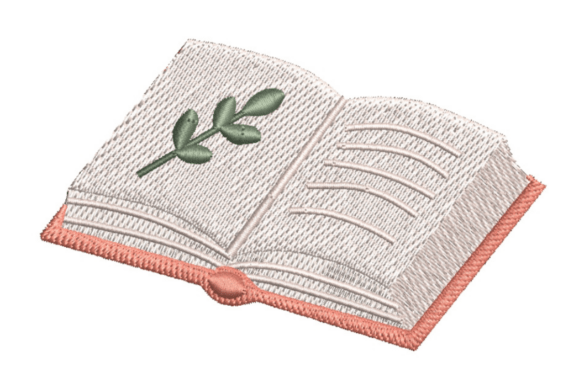
As an embroidery designer who spends hours refining stitch paths and selecting thread palettes, I am always looking for designs that balance aesthetic charm with technical reliability. When I first encountered the Botanical Journal design on Creative Fabrica, it immediately caught my eye. It is not just another generic icon; it is a charming open book embroidery piece adorned with delicate leaf details. This design speaks directly to the cottagecore aesthetic, appealing strongly to book lovers and those who appreciate the quiet romance of handwritten notes and pressed flowers.
In this review, I will evaluate how this machine embroidery design performs in real-world applications, particularly for creators making personalized gift items. Whether you are running a busy Etsy shop or crafting unique items for friends and family, understanding the nuance of this file is crucial for producing high-quality finished products.
The Emotional Appeal and Visual Charm
The first impression of the Botanical Journal design is one of warmth and nostalgia. The imagery combines two powerful symbols: the written word and nature. For a handmade product, this combination evokes feelings of cozy afternoons, thoughtful reflection, and gentle growth. Visually, the design feels sweet yet elegant. It avoids being overly cluttered, allowing the negative space to breathe, which is essential when translating digital files into physical textiles.
From a design perspective, the "delicate leaf detail" mentioned in the description suggests a level of intricacy that rewards careful stitching. It is not a bold, blocky graphic; rather, it relies on fine lines and organic shapes to create its beauty. This makes it ideal for projects where subtlety is key. It fits perfectly into themes of journaling, learning, and personal growth, making it a versatile choice for various niches within the handmade market.
Ideal Applications for Personalized Gifts
One of the strongest aspects of this design is its adaptability. Because the motif is thematic rather than strictly functional, it can be applied to a wide range of handmade product categories. Here is how I see this design fitting into specific customer needs:
- Baby Embroidery and Nursery Decor: A journal symbolizes the beginning of a story, making it a poignant choice for baby gifts. Imagine this design stitched onto a soft muslin blanket or a linen pillow cover for a nursery. It pairs beautifully with neutral tones and pastel colors, creating a serene atmosphere for a new parent.
- Wedding Gifts and Keepsakes: For couples who value tradition and sentimentality, this design works wonderfully on embroidered towels or aprons. It can represent the start of their shared journey together. Placing it on the corner of a hand towel or the pocket of a kitchen apron adds a touch of classic romance without being overtly cliché.
- Custom Home Decor: The botanical theme allows for flexibility in color schemes. On a dark fabric, such as charcoal or navy, the leaves can pop with vibrant greens, while on white or cream cotton, it maintains a clean, minimalist look suitable for modern farmhouse interiors.
- Etsy Seller Inventory: For Etsy sellers looking to expand their catalog, this design offers a niche appeal. It targets the "book lover" demographic, which is often underserved compared to more common motifs like hearts or stars. You can use this as a base for creating custom names or dates, turning a simple image into a deeply personal item.
Practical Considerations for Stitching Success
While the visual potential is high, executing this design requires attention to detail. As a professional, I advise reviewing several practical factors before committing to production runs.
Fabric Texture and Stabilizer Choice
The success of any embroidery file depends heavily on the substrate. If you plan to stitch this onto textured towels, ensure your stabilizer provides enough support to prevent the delicate leaf details from sinking into the pile. For stretchy fabrics like baby clothes or jersey blankets, a cut-away stabilizer is non-negotiable to maintain shape over time. Conversely, on stable woven cottons used for tote bags or aprons, a tear-away might suffice, but testing is always recommended.
Thread Color Contrast and Density
Because the design features fine lines, thread selection is critical. Low-contrast threads (e.g., light beige on off-white) may cause the intricate details to disappear. I recommend using slightly higher contrast combinations to ensure the "journal" aspect remains legible. Additionally, check the stitch density of the file. If the leaves are too densely packed, they may pucker thin fabrics. If they are too sparse, they may lack definition. Always perform a test stitch-out on the actual fabric you intend to use.
Small Lettering and Detail Resolution
If the design includes small text or very fine leaf veins, be cautious about scaling. Reducing the size of delicate elements can lead to a muddy, indistinct result. Ensure your hoop size accommodates the original scale of the design. If you must resize, do so conservatively and inspect the output closely for broken stitches or lost details.
Building Customer Trust Through Quality
In the world of online selling, perceived quality drives sales. A well-executed Botanical Journal embroidery project signals care and craftsmanship. When customers receive a gift with crisp, clear stitching and thoughtful placement, it enhances the emotional value of the item. This is especially true for wedding gifts and holiday keepsakes, where the presentation is part of the experience.
Furthermore, high-quality execution boosts your reputation as a maker. Consistent results build trust, encouraging repeat business and positive reviews. Using a premium digital embroidery file like this one, sourced from a reputable platform like Creative Fabrica, gives you a competitive edge. It allows you to focus on branding and photography rather than worrying about flawed source files.
Final Recommendations for Creators
To get the most out of the Botanical Journal design, follow these best practices:
- Create a Test Stitch-Out: Never skip this step. It reveals issues with tension, alignment, or density that cannot be seen on screen.
- Review Licensing: Before listing any commercial embroidery products, carefully read the license terms provided by Creative Fabrica. Ensure you are permitted to sell finished goods made from the design.
- Experiment with Mockups: Use printable mockups to visualize how the design looks on different products. This helps in marketing and can inspire new product ideas.
- Check Product Details: Verify the file formats and compatibility with your specific embroidery machine to avoid technical glitches during production.
Ultimately, the Botanical Journal is a versatile and emotionally resonant design. It bridges the gap between artistic expression and commercial viability. By paying attention to fabric choices, thread contrasts, and proper stabilization, you can transform this digital asset into a cherished physical object. For any crafter looking to add a touch of literary elegance to their repertoire, this design is a worthy addition to your collection.