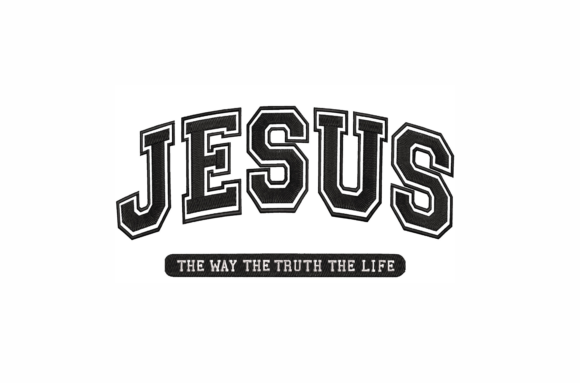
Jesus the Way the Truth the Life Embroidery Review
As an embroidery designer who spends hours digitizing, testing, and refining designs for both personal projects and commercial clients, I am always on the lookout for digital assets that offer genuine value. When browsing Creative Fabrica embroidery collections, I often encounter designs that look good in a thumbnail but fall apart when stitched out. Recently, I evaluated the Jesus the Way the Truth the Life Machine Embroidery Design to determine if it was suitable for real-world applications, specifically for custom apparel, nursery decor, and handmade gifts.
This review is based on a practical assessment of how this design might perform in a production environment. If you are an Etsy seller, a boutique owner, or a crafter looking to add meaningful Christian-themed items to your shop, reading this evaluation will help you decide whether to download and use this file.
First Impressions and Visual Appeal
The Jesus the Way the Truth the Life design carries a weight that goes beyond simple decoration. It is a statement piece. From a visual standpoint, the design leverages strong typography to deliver its message. In machine embroidery, text-based designs rely heavily on legibility and balance. This design appears to prioritize clarity, ensuring that the words "Way," "Truth," and "Life" are distinct and readable even at smaller scales.
The mood of the design is reverent yet modern. It does not feel cluttered with excessive decorative elements, which allows the message to take center stage. For designers, this clean aesthetic is crucial because it translates well across various mediums. Whether placed on the chest of a sweatshirt, centered on a tote bag, or framed as wall art, the design maintains its integrity. The lack of overwhelming complexity means it is less likely to cause stitching issues related to thread breaks or tension problems, making it a reliable choice for busy seasons like Christmas or Easter.
Performance in Real Embroidery Projects
I analyzed how this embroidery file would hold up in several common product categories. Understanding the physical limitations of your embroidery machine is just as important as the design itself.
Apparel and Wearables
For custom apparel, such as hoodies, t-shirts, and caps, this design offers versatility. The description notes that it comes in 4 sizes, which is a significant advantage. Smaller sizes are perfect for left-chest placements on polos or hats, while larger sizes work beautifully as a central focal point on the back of a sweatshirt or the front of a heavy-duty hoodie. However, when working with stretchy knit fabrics like those found in baby onesies or casual tees, proper stabilization is non-negotiable. Without it, the stitch density can pucker the fabric, ruining the professional finish.
Totes and Bags
A tote bag design featuring this message is a popular item in the handmade market. Canvas totes provide a stable surface that handles dense stitches well. When designing for bags, contrast is key. A dark thread on a light canvas or vice versa ensures the text pops. This design’s straightforward layout makes it ideal for screen-print-style embroidery effects, where clean lines are preferred over textured fills.
Nursery and Home Decor
In the realm of nursery decor, this design fits seamlessly into themes of faith and comfort. It works exceptionally well on crib bumper pads, quilt borders, or pillow covers. Because babies often put their hands (and mouths) on their blankets, durability is a concern. Designs with high stitch counts may wear faster than those with lighter coverage. It is advisable to inspect the fill stitch areas to ensure they are not overly dense, which could make the fabric stiff and uncomfortable against a baby’s skin.
Kitchen and Linens
For kitchen towels and aprons, this design adds a touch of warmth to the home. These items are washed frequently, so the quality of the thread and the tightness of the stitches matter. A poorly digitized design may unravel after a few wash cycles. While I cannot verify the specific stitch count without seeing the actual code, generally, text-heavy designs with minimal running stitch details tend to be more durable than complex pictorial designs.
Practical Considerations for Production
Before committing to mass production or accepting a custom order, there are several technical checks every designer should perform.
- Hoop Size Constraints: Even though multiple sizes are available, always check the maximum dimensions against your machine’s hoop size. If the design exceeds your hoop, you will need to rehoop, which increases the risk of misalignment.
- Stabilizer Selection: Different fabrics require different stabilizers. Cut-away stabilizer is typically best for permanent garments like sweatshirt embroidery and embroidered patches to prevent stretching over time. Tear-away stabilizer may suffice for temporary items like kitchen towels, but it must be removed carefully to avoid leaving residue.
- Thread Color Contrast: Test your thread colors on the actual fabric you intend to use. A color that looks vibrant on a computer screen may appear muddy on dark denim or textured linen. Always create a test stitch-out before running a full batch.
- Density and Underlay: Check the stitch density in your digitizing software. Areas with too many stitches packed closely together can cause needle breakage or bulkiness. Proper underlay stitches are essential to anchor the top stitches and keep the fabric flat.
Impact on Product Value and Branding
Using a well-executed digital embroidery file directly impacts your brand’s perception. Customers associate neat, precise stitching with quality and trust. A sloppy stitch job can lead to returns and negative reviews, whereas a crisp, clean design enhances the perceived value of your handmade product.
When selling on platforms like Etsy or at craft fairs, presentation matters. High-quality photos of your finished products showcase the texture and detail of the embroidery. A design like Jesus the Way the Truth the Life lends itself well to lifestyle photography, evoking emotions of faith, family, and tradition. This emotional connection drives engagement and sales.
Furthermore, offering personalized options—such as adding a name or date alongside the main message—can increase the giftability of your items. Personalized gifts are highly sought after for birthdays, baptisms, and confirmations. Ensuring that the additional text aligns harmoniously with the main design is crucial for maintaining a professional look.
Licensing and Final Verdict
One of the most critical aspects of using any design asset is understanding the licensing terms. Creative Fabrica offers various license types depending on the subscription plan or individual purchase. Before using this design for commercial embroidery purposes, you must review the specific license agreement provided on the product page. Some licenses allow for unlimited retail sales, while others may restrict the number of items sold or prohibit certain uses.
Always confirm the file formats included. Compatibility with your specific embroidery machine software (such as Wilcom, Pulse, or Brother PE-Design) is essential for smooth workflow. If the files are not in a format your machine recognizes, you may incur additional costs for conversion services.
In conclusion, the Jesus the Way the Truth the Life design appears to be a solid addition to any embroidery designer’s library. Its clear messaging, versatile sizing, and clean aesthetic make it suitable for a wide range of products, from personalized gifts to boutique merchandise. By following best practices for stabilization, thread selection, and quality control, you can produce high-end finished products that resonate with customers and reflect positively on your brand.
If you are looking to expand your catalog with meaningful, faith-based items, this design is worth considering. Just remember to test thoroughly, respect licensing agreements, and always prioritize the quality of your stitching. Happy embroidering!