Melting Earth Embroidery Review
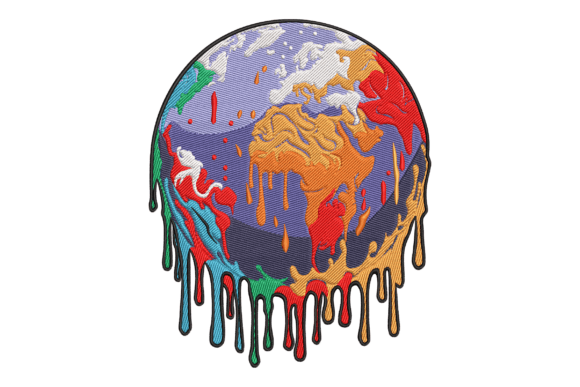
As an embroidery designer who spends hours scrutinizing stitch patterns and fabric interactions, I am always on the lookout for designs that balance whimsy with wearability. When browsing Creative Fabrica for new additions to my boutique collection, I stumbled upon a design titled Melting Earth. At first glance, it promised a charming touch suitable for various applications, from t-shirts to home decor. However, for those of us focused on building a cohesive brand identity through custom apparel, the true test lies in how a design translates to real-world garments like hoodies, sweatshirts, and denim jackets.
This review explores how the Melting Earth machine embroidery design might perform in a professional setting, specifically for small clothing brands and Etsy sellers looking to add personality to their handmade products.
First Impressions: Visual Mood and Design Personality
The name Melting Earth suggests a soft, fluid aesthetic, which is crucial for modern apparel trends. From a design perspective, this piece feels playful yet grounded. It avoids being overly childish while retaining a sense of wonder that appeals to a broad demographic. The visual personality leans towards the trendy and cute, making it an excellent candidate for lifestyle product photography and social media graphics.
For boutique owners, the "whimsical" descriptor in the product description is key. It implies that the design brings a unique character to any item without overwhelming the garment’s natural texture. Whether you are aiming for a rustic vibe or a minimalist look, this design offers a decorative strength that can elevate simple neutral fabrics into statement pieces. It feels premium not because of complexity alone, but because of its balanced composition, which allows it to stand out in a crowded marketplace.
Application on Boutique Apparel and Sweatshirts
One of the most popular items in the current market is the oversized sweatshirt. Using Melting Earth as a central motif on these garments can create a striking focal point. Here is how it might perform across different apparel categories:
- Sweatshirt Embroidery: On heavy cotton fleece, the design likely holds its shape well. The contrast between the soft fabric and the structured stitches creates a tactile appeal that customers love.
- Hoodie Chest Placement: A standard chest placement works beautifully for this type of whimsical design. It sits comfortably against the heart area, offering a subtle yet noticeable brand touch.
- Sleeve Accents: For a more avant-garde approach, placing smaller iterations of the design on the cuff or upper sleeve can add a detail-oriented flair that resonates with younger demographics.
- Back Designs: If the file size permits, a larger back print can turn a basic hoodie into a wearable art piece, perfect for creating buzz around a new collection launch.
- T-Shirt Embroidery: While less common than prints, embroidered t-shirts offer a premium feel. This design adds a layer of sophistication that screen printing often lacks.
- Denim Jackets: Denim provides a sturdy canvas. The whimsical nature of the earth-themed design contrasts nicely with the ruggedness of denim, creating a balanced aesthetic.
Expanding Beyond Apparel
While our focus is often on clothing, the versatility of this digital embroidery file extends to other merchandise. Tote bags made from canvas benefit significantly from such charming motifs, turning a utilitarian item into a fashion accessory. Similarly, applying this to cozy seasonal outfits or scarves can enhance the perceived value of handmade products.
Strategic Use and Potential Challenges
Not every application is created equal. As a designer, I advise caution when placing intricate or large designs on certain areas. Understanding where to use the design carefully ensures your finished product looks professional rather than amateurish.
- Small Chest Placement: Ensure the design is scaled appropriately. Too small, and details get lost; too large, and it overwhelms the wearer.
- Dense Stitch Areas: High stitch density can make fabric stiff. Test on scrap fabric to ensure the hand-feel remains comfortable, especially for next-to-skin garments.
- Stretchy Fabric: Materials like jersey or spandex blends require careful stabilizer choices to prevent puckering. The design should be evaluated for its stability on moving fabric.
- Ribbed Fabric: Embroidering directly onto ribbing can distort the knit. It is often better to place designs on flat panels adjacent to ribbed sections.
- Dark Garments: Thread color contrast is vital. Dark backgrounds may require bright or metallic threads to make the whimsical elements pop, whereas light garments allow for softer pastel palettes.
- Curved Surfaces: Areas like shoulders or knees present stitching challenges. Flat surfaces yield the cleanest results.
- Tiny Lettering: If the design includes text, ensure it is legible at the intended size. Small fonts can become muddy in embroidery.
- Wrinkle-Prone Areas: Avoid placing designs on elbows or backs where constant movement causes wrinkling, which can distort the image over time.
Impact on Brand Identity and Customer Engagement
In the world of online retail, visual consistency builds trust. Using a high-quality embroidery design like Melting Earth signals attention to detail. When customers see a well-executed stitch pattern on a hoodie or tote bag, they perceive higher value and durability. This directly impacts buyer trust and product recognition.
For an Etsy seller or small shop owner, this design can serve as a signature element. By consistently using similar aesthetic themes across your catalog, you create a recognizable brand voice. Furthermore, professional presentation in photos—showcasing the texture and depth of the embroidery—can drive engagement on social media platforms. A well-placed design becomes a conversation starter, encouraging shares and saves, which are critical metrics for digital marketing success.
Practical Designer Notes for Production
Before committing to a full production run, there are several technical steps every embroiderer should take to ensure quality control.
- Test on Scrap Fabric: Always run a test stitch-out on the exact fabric you plan to use. This reveals how the material reacts to tension and needle penetration.
- Check Stabilizer Choice: The right stabilizer (cut-away vs. tear-away) is essential for maintaining design integrity, especially on stretchy or delicate materials.
- Review Thread Color Contrast: Select thread colors that complement the garment while ensuring the design details remain visible. Lighting in photos also affects how colors appear, so consider this during selection.
- Confirm Hoop Size: Ensure your machine hoop can accommodate the design dimensions. If the design is large, you may need multiple hooping positions, which requires precise digitizing.
- Inspect Stitch Density: High density can lead to stiffness, while low density might show the fabric underneath. Adjust settings if necessary to achieve the desired hand-feel.
- Compare Placement Options: Sketch out different placements on your garment templates to visualize the final look before cutting fabric.
- Check Licensing: Crucially, review the Creative Fabrica product details and licensing agreement. Confirm whether the purchase allows for commercial use of the finished physical goods. This step protects your business from legal issues.
In conclusion, Melting Earth appears to be a versatile and charming addition to any embroidery library. Its whimsical nature makes it suitable for a wide range of custom apparel projects, from casual t-shirts to premium sweatshirts. By paying attention to fabric choice, stabilizer support, and proper placement, designers can leverage this design to create standout products that resonate with today’s consumers. For those looking to expand their commercial embroidery offerings, this piece offers a blend of trendiness and timeless appeal that could well become a bestseller in your upcoming collection.