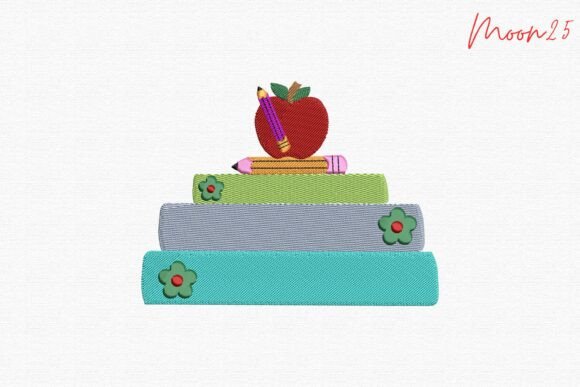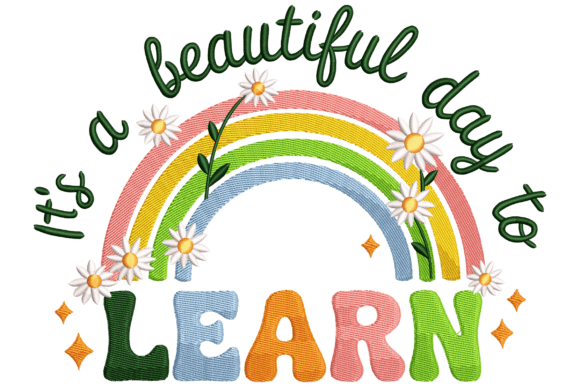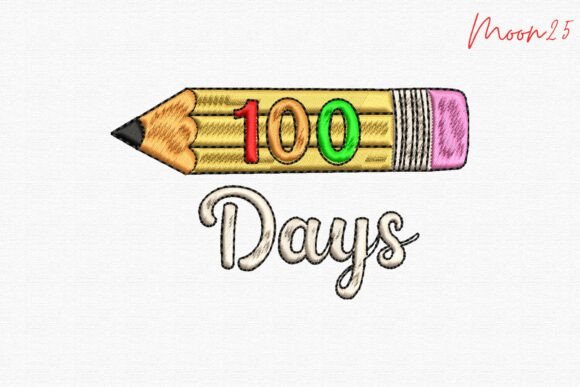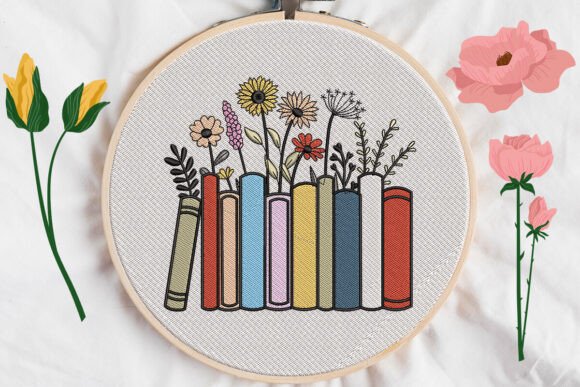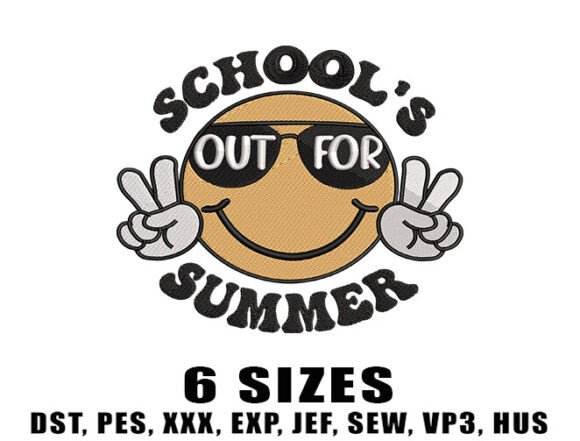
School Elements Embroidery Design Review
As an embroidery designer who has spent years turning digital concepts into tangible, high-quality branded merchandise, I approach every new design file with a mix of creative enthusiasm and commercial skepticism. Today, I am reviewing School Elements, a machine embroidery design that promises to bring a "dash of charm" and a "playful and whimsical touch" to various fabrics. For small business owners, Etsy sellers, and apparel decorators, the question is never just "does it look nice?" but rather "will this sell?" and "will it hold up in the real world?" This review dives deep into how School Elements performs as a viable asset for branded patches, uniforms, caps, tote bags, and general small business merch.
First Impressions: The Personality of School Elements
The description of School Elements highlights its playful and whimsical nature. In the world of branding, personality is everything. A design that feels too rigid can alienate customers seeking warmth and approachability, while one that is too chaotic fails to communicate professionalism. Based on the title and the promise of adding charm, School Elements appears to strike a balance between cute and polished. It suggests a vibe that is friendly, modern, and perhaps slightly nostalgic, making it ideal for brands that want to appear accessible yet premium.
For a boutique bakery, a handmade candle shop, or a local florist, this design could serve as a perfect visual shorthand for their brand identity. It does not scream "corporate," nor does it whisper "amateur." Instead, it sits comfortably in the realm of handmade product excellence. When you see a well-executed whimsical design on a customer’s tote bag or apron, it signals that the business cares about detail. That attention to detail builds trust and enhances the perceived value of the finished product.
Real-World Business Applications
Let us move beyond theory and look at where School Elements truly shines in a commercial setting. As a designer, I have tested numerous designs on various substrates, and here is how this specific embroidery file translates to physical goods:
- Embroidered Patches: One of the most popular uses for charming designs like this is creating custom patches. Whether attached to denim jackets, backpacks, or uniform vests, School Elements offers enough visual interest to stand out without requiring excessive thread colors that drive up production costs. If the design includes clean outlines, it will stitch beautifully as a standalone patch.
- Staff Uniforms and Aprons: For café owners or restaurant managers, branding staff attire is crucial for recognition. Placing School Elements on the chest pocket of an apron or the sleeve of a work shirt adds a touch of personality that employees often appreciate. It transforms a standard work uniform into a branded experience. However, ensure the design is scaled appropriately so it does not overwhelm the garment.
- Tote Bag Designs: Tote bags are essentially walking billboards for small businesses. A tote bag design featuring School Elements can elevate a simple canvas bag into a desirable accessory. Customers are more likely to carry a bag that looks aesthetically pleasing. The whimsical nature of the design pairs exceptionally well with natural fabrics like cotton or jute, enhancing the fabric texture and giving the item a rustic, artisanal feel.
- Cap Embroidery: Custom hats are a staple of small business merch. School Elements could work well as a central front logo or a side accent. The key here is hoop size and curvature. You must ensure the design fits within the standard cap panel dimensions and that the stitching density allows it to lay flat against the curved surface of the hat.
- Product Packaging Accents: Do not overlook the power of branding on packaging. Sewing a small version of School Elements onto gift tags, hang tags, or fabric labels inside clothing items adds a luxurious, handmade touch. It turns a simple purchase into a memorable unboxing experience, boosting customer engagement and encouraging social media shares.
Where to Exercise Caution
While School Elements has strong potential, no design is universal. There are specific scenarios where this design might struggle, and understanding these limitations is what separates a professional from an amateur.
First, consider stitch density. If the design features intricate details or very thin lines, it may become muddy when stitched at small sizes. Before committing to bulk production, test the design at the exact size you intend to use. If it is intended for a tiny patch or a small logo placement, verify that the individual elements remain distinct. Fine details often get lost in the stitching process, especially if the thread colors lack sufficient contrast against the background fabric.
Second, think about the substrate. Textured fabrics, such as heavy denim or looped towels, can distort fine embroidery. If you are using School Elements on a thick towel or a rugged work shirt, you may need to adjust your stabilizer choice. A cut-away stabilizer is often necessary for stretchy or heavy materials to prevent puckering, whereas a tear-away might suffice for stable wovens. Always test on a scrap piece of the actual fabric you plan to use.
Additionally, be mindful of dark uniforms or dark-colored garments. Whimsical and playful designs often rely on light, airy color palettes. If you attempt to embroider a light-colored design on a black cap or black apron without proper underlay or dense fill stitches, the result may look faint or unfinished. Ensure you have a clear plan for thread colors that will pop against your chosen base material.
Impact on Brand Identity and Customer Trust
In the crowded marketplace of Etsy branding and online shops, visual consistency is king. Using a cohesive design language across all your products—from your website graphics to your physical merchandise—reinforces your brand identity. School Elements, with its charming aesthetic, can help position your brand as approachable, creative, and detail-oriented.
When a customer sees a professionally embroidered logo on a product, it subconsciously signals quality. It tells them that you invested time and resources into the presentation of your goods. This perception directly impacts buyer engagement and repeat purchases. A well-executed commercial embroidery project makes your brand look established and trustworthy, even if you are just starting out.
Furthermore, personalized or branded items create an emotional connection. A customer who buys a tote bag with a design they find whimsical and endearing is more likely to keep it and use it frequently. Every time they carry that bag, they are reinforcing your brand in their daily life. This is the power of functional art; it moves beyond decoration to become part of the customer’s lifestyle.
Practical Designer Notes for Production
Before you upload School Elements to your embroidery machine for mass production, follow these essential steps to ensure a flawless result:
- Test in Black and White: Convert the design to grayscale first. This helps you evaluate the balance of negative space and positive space without being distracted by color choices. If the design looks cluttered in black and white, it will likely be cluttered in color.
- Check Small Patch Size: Simulate the design at its smallest intended size. Can you still distinguish the key elements? If not, simplify the design or increase the minimum spacing between stitches.
- Review Thread Color Contrast: Select threads that offer high contrast against your target fabric. Low contrast can make the design look washed out and cheap.
- Inspect Spacing and Hoop Size: Ensure the design fits comfortably within your standard hoop size. Avoid placing designs too close to the edge of the hoop, as this can cause shifting or distortion.
- Test on Real Fabric: Never skip the test run on the actual fabric and stabilizer combination you will use in production. Different materials react differently to needle penetration and thread tension.
- Create a Printable Mockup: Before cutting any fabric, create a digital mockup to show clients or stakeholders. This allows for feedback and approval before resources are wasted.
- Confirm Commercial Licensing: Finally, and most importantly, verify that you have the right to use School Elements for commercial purposes. Many digital files are licensed for personal use only. Using a design commercially without proper licensing can lead to serious legal issues. Check the terms provided by the creator to ensure your digital embroidery file usage is compliant.
In conclusion, School Elements holds significant promise for small business owners looking to add a touch of charm to their merchandise. By understanding its strengths, respecting its limitations, and following best practices in embroidery production, you can transform this design into a powerful tool for brand building and customer delight. Whether used on a humble tote bag or a premium uniform, a well-stitched design speaks volumes about the care and quality behind your brand.