Little Genius Embroidery Design Review
As an embroidery designer who spends weekends hunched over my machine and weekdays managing a booth at local craft fairs, I have learned one hard truth: customers buy with their eyes first, but they commit based on perceived quality. When a new digital file lands in my inbox, my immediate reaction is not just aesthetic appreciation; it is a logistical and commercial assessment. Will this sell? Does it photograph well? Is it practical for batch production?
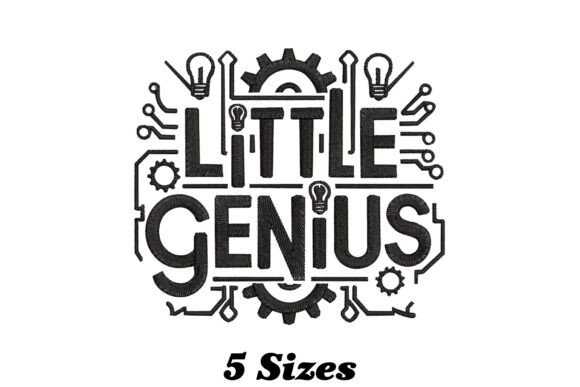
This week, I am reviewing the Little Genius machine embroidery design. Marketed under the "School" category, this piece promises to bring a lively and creative touch to various fabrics. But does it deliver on that promise when translated from screen to stitch? Below is my professional breakdown of how this design performs as a handmade product, specifically tailored for craft fair sellers, Etsy shop owners, and boutique makers.
First Impressions: The Vibe Check
The title "Little Genius" immediately sets a tone that is both playful and aspirational. In the world of handmade goods, particularly those targeting parents, teachers, or students, this combination works. It suggests intelligence and charm without being overly serious. From a visual standpoint, designs in this niche often lean toward modern, clean lines or soft, decorative elements. If executed well, this design feels premium rather than mass-produced.
For a craft fair booth, the first impression is critical. Your customers are walking past dozens of tables. A design that reads clearly from three feet away is a winner. Based on the description of "captivating" and "personality-driven," I anticipate that Little Genius relies on strong graphic impact rather than delicate, lost-in-the-weave details. This is a positive indicator for sales because it ensures the design remains legible even on textured fabrics like canvas totes or terry cloth towels.
Product Versatility and Market Fit
One of the biggest challenges for small business owners is inventory management. You want products that can be produced quickly and sold across multiple categories. Here is how Little Genius translates into specific craft fair products:
Tote Bags and Market Totes
A tote bag design is the bread and butter of many embroidery businesses. Canvas bags provide a sturdy, neutral background that allows thread colors to pop. The "Little Genius" motif works exceptionally well here as a chest-level accent. It is large enough to be seen but small enough to fit standard hoop sizes, allowing for rapid production. For an Etsy seller, these make excellent low-cost entry-point items that attract impulse buyers.
Aprons and Tea Towels
Kitchen items are high-margin sellers during back-to-school seasons and holidays. An apron embroidery featuring this design appeals to home cooks and gift-givers alike. Similarly, tea towel embroidery offers a softer texture that contrasts nicely with crisp stitching. However, be mindful of fabric texture; looped terry cloth can sometimes distort fine details, so ensure your digitizing accounts for this pull.
Caps and Embroidered Patches
Hats are notoriously difficult to embroider due to curved surfaces. If Little Genius has a compact footprint, it will perform beautifully on dad hats or baseball caps. Alternatively, converting this into an embroidered patch opens up a whole new market. Patches can be ironed or sewn onto backpacks, denim jackets, and beanies, extending the life of the design asset beyond simple apparel.
Pillows and Home Decor
Home decor items allow for larger display pieces. A pillow cover with Little Genius centered creates a focal point that draws people into your booth. These items often command a higher price point, appealing to customers looking for unique, giftable handmade products.
Production Practicality and Sales Psychology
From a production standpoint, ease of use directly impacts your profit margin. A design that requires constant re-hooping, tedious trimming, or complex color changes eats into your time. I look for designs that are straightforward to execute. If Little Genius utilizes a moderate number of thread colors and avoids excessive jumping, it becomes highly repeatable for batch production.
Photography is another crucial factor. Online listings rely on clear, high-contrast images. A design with good stitch density and distinct shapes photographs better than one that is sparse or overly intricate. When creating a printable mockup for your digital assets, ensure the design holds its shape visually. If it looks muddy or unclear in a thumbnail image, it will not convert clicks into sales.
Furthermore, consider the narrative. "School" themed items tap into emotional buying cycles—back-to-school excitement, teacher appreciation, and graduation gifts. By positioning Little Genius as a symbol of creativity and potential, you are selling more than just thread on fabric; you are selling a sentiment. This increases the perceived value of your small shop product.
Technical Considerations and Careful Use Notes
Before committing to a full run of merchandise, every experienced designer knows to test rigorously. Here are specific areas to watch out for with this type of design:
- Dense Stitch Areas: Check if the design has large blocks of fill stitches. On thin fabrics, this can cause puckering. Always use the right stabilizer to support the fabric structure.
- Tiny Details: If the design includes very small text or fine lines, test it at the intended final size. Small details can disappear on thick materials like denim or fleece.
- Thread Contrast: Ensure there is sufficient contrast between the thread and the fabric. Low contrast (e.g., light yellow on white) may look elegant in person but fail completely in online photos.
- Hoop Size: Confirm the hoop size required fits your workflow. Designs that require multi-hooping are slower to produce and increase the risk of misalignment.
- Fabric Texture: Test on the actual fabric you plan to sell. A design that looks great on smooth cotton might get lost in the weave of a rustic burlap tote.
Final Verdict for the Creative Entrepreneur
The Little Genius machine embroidery design appears to be a versatile addition to any digital embroidery file library. Its appeal lies in its ability to bridge the gap between cute and clever, making it suitable for a wide range of audiences. Whether you are crafting commercial embroidery pieces for a busy season or adding a personal touch to custom orders, this design offers strong potential.
To maximize success, I recommend starting with a few key products—perhaps a set of matching tea towels and a tote bag—to see how the design resonates with your local market. Create a compelling design assets package for your online store, using high-quality photos that highlight the texture and clarity of the stitches. Remember, consistency in your brand’s visual style helps build trust with buyers.
Finally, always verify the licensing terms. Ensure you have the proper rights for commercial embroidery before selling finished goods. With careful preparation and attention to detail, Little Genius could easily become a bestseller at your next craft fair or a top-rated item in your digital shop.